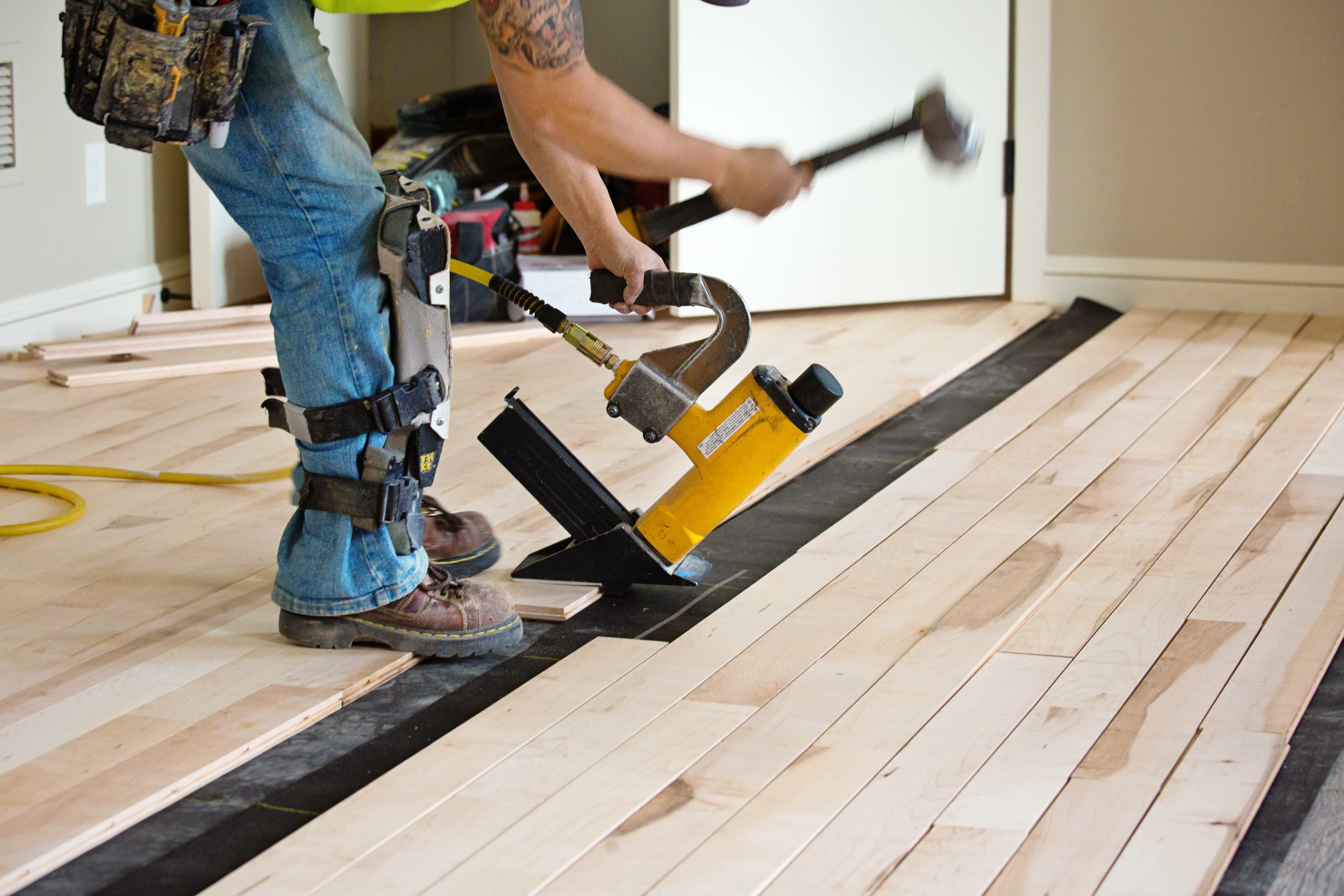
This flooring is typically crafted from solid wood planks, milled from a single piece of timber. It is usually installed by nailing or stapling the boards onto a subfloor. Hardwood stands out for its authentic look, long-lasting durability, and potential to increase a home’s resale value.
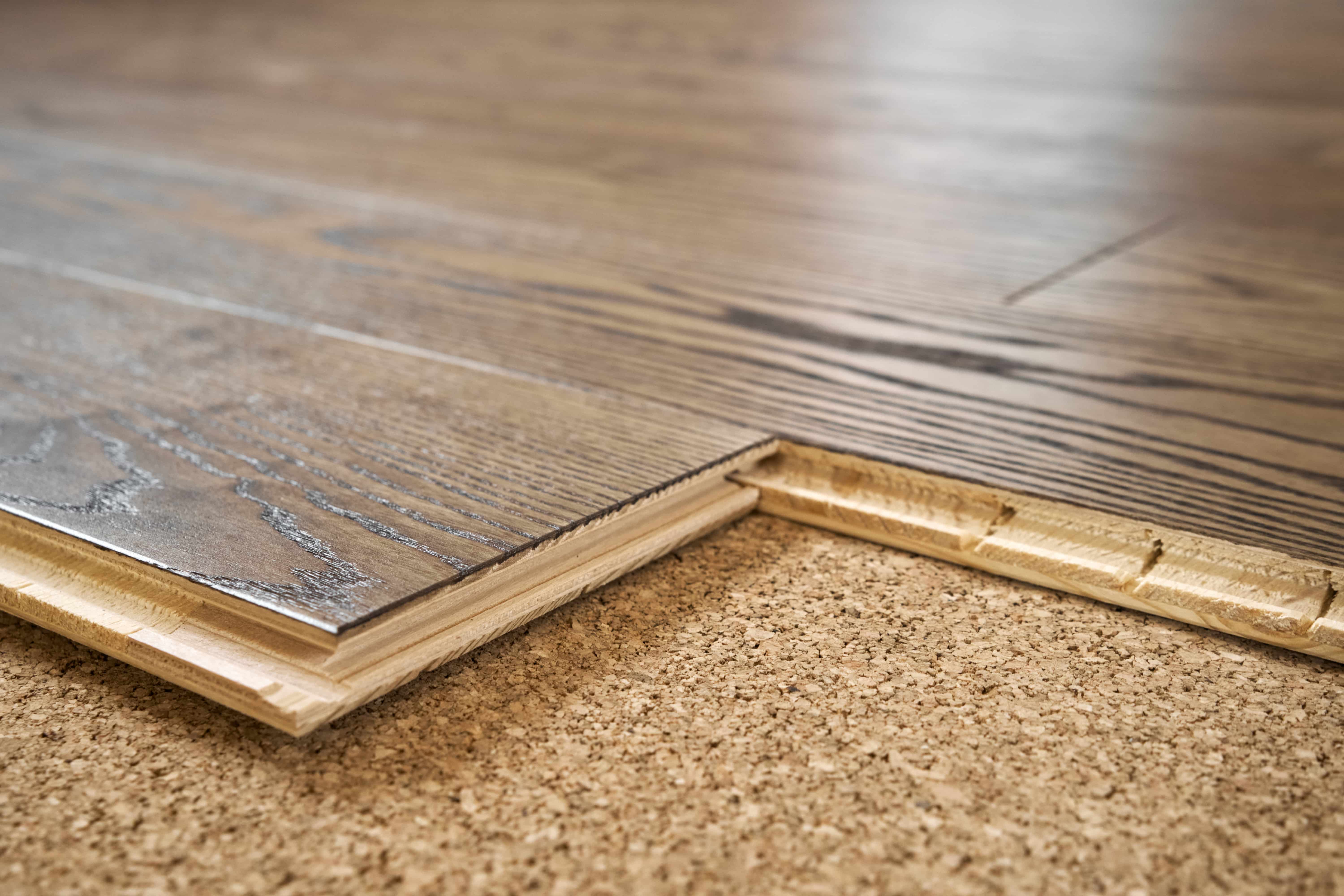
Made of multiple layers of wood bonded together, it is topped with a real hardwood layer for a natural finish. It can be installed floating, or using glue-down, or nail-down methods. Engineered hardwood is more resistant to humidity and temperature changes than traditional hardwood while still offering a genuine wood appearance.
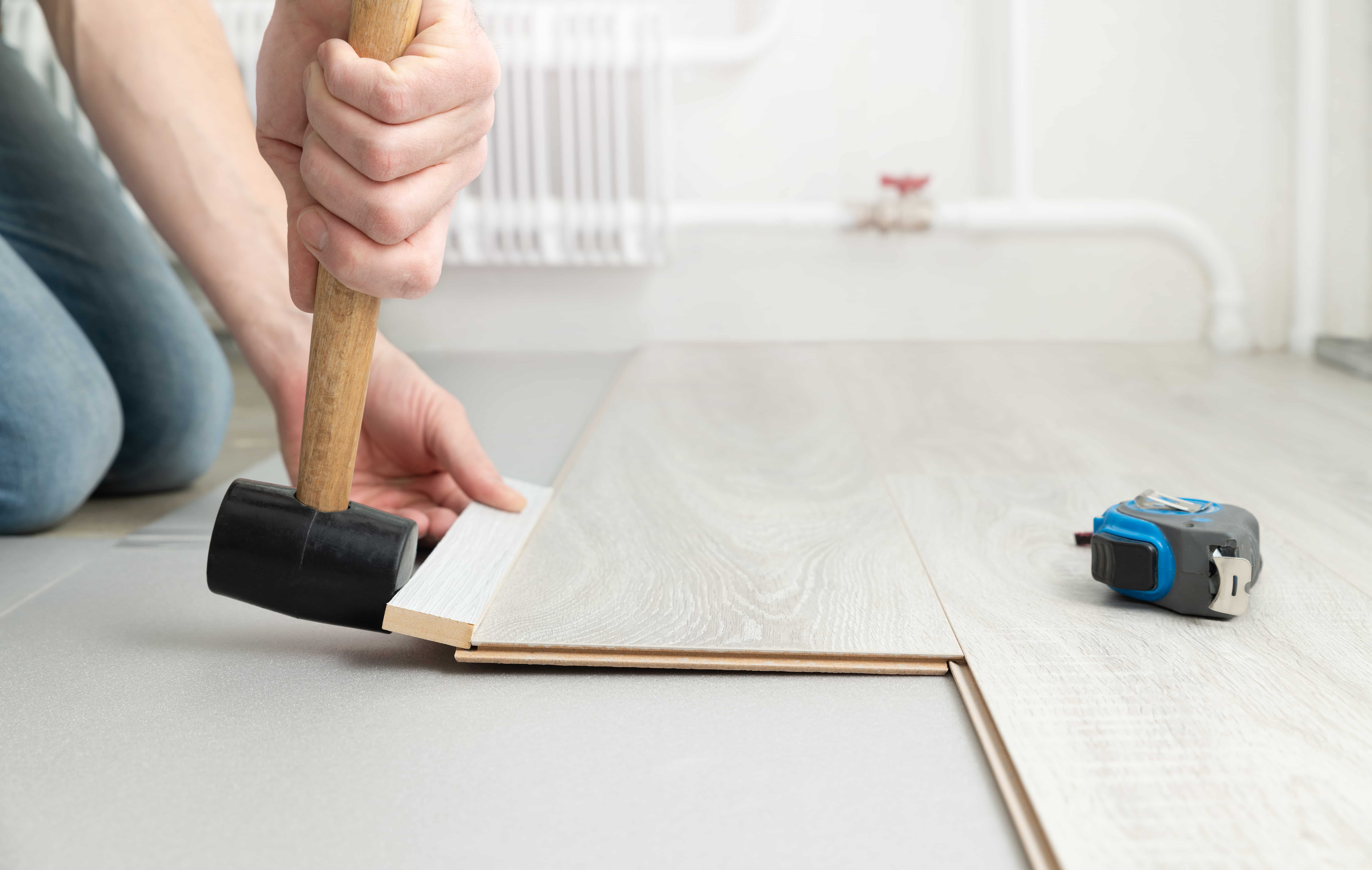
Composed of layers of synthetic materials fused under high pressure, this flooring features a photographic layer that mimics wood or other designs. It is usually installed as a floating floor, with planks clicking or locking together over an underlayment. Laminate is popular for its affordability, resistance to scratches, and ease of maintenance.
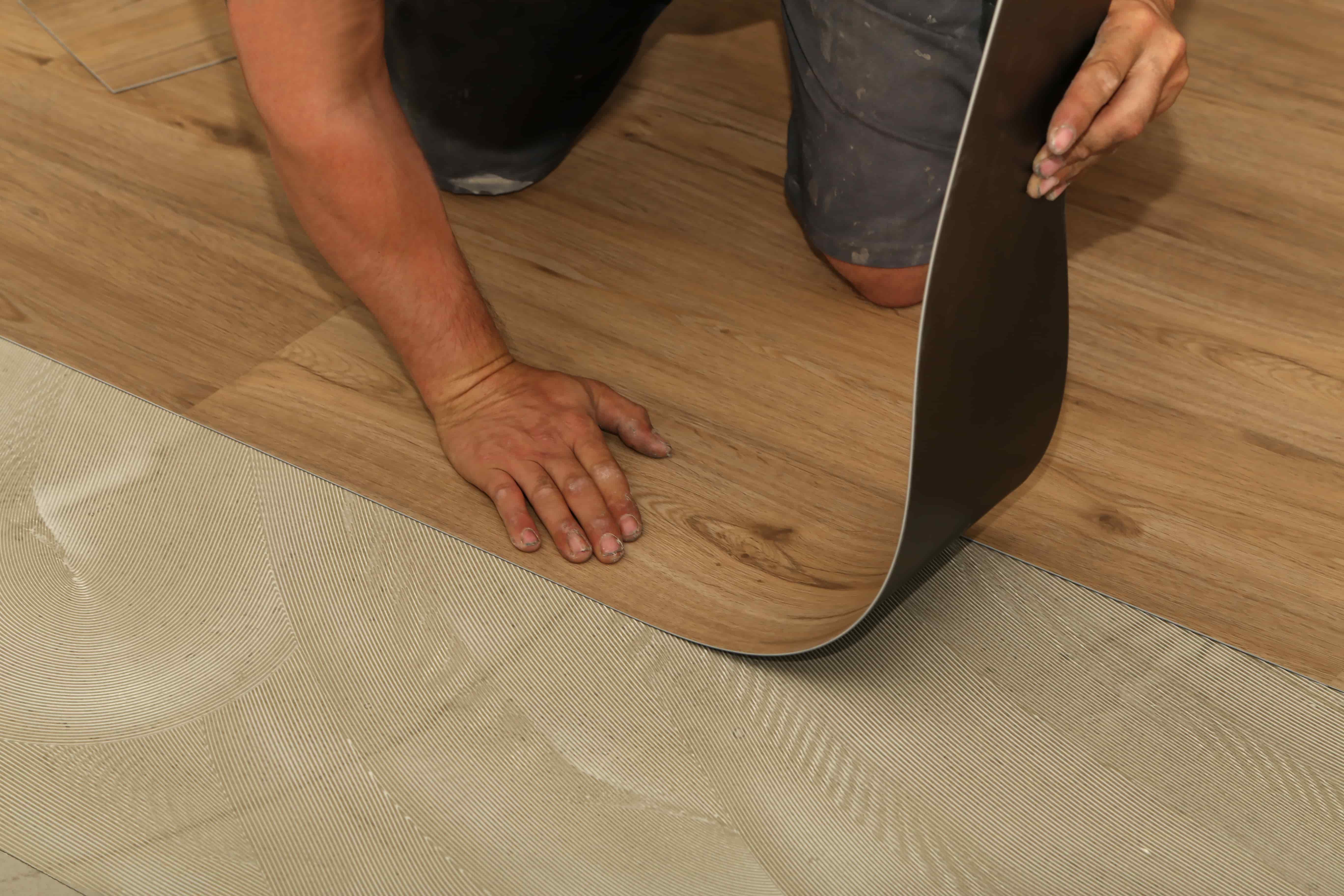
Vinyl plank flooring is made of PVC and other synthetic materials, resulting in superior water resistance and durability. It can be installed using click-lock or glue-down methods, allowing for versatility in different areas of the home. Known for its realistic wood or stone visuals, vinyl plank is comfortable underfoot and easy to clean.